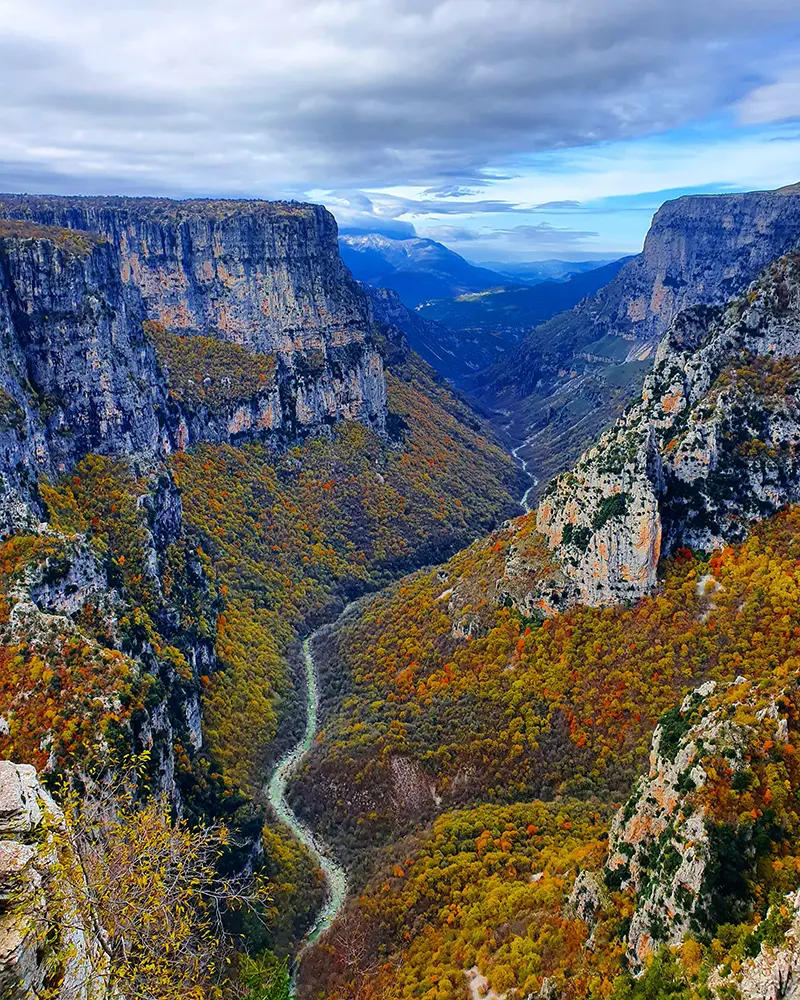
Natural areas that are protected through international agreements include Wetlands of International Importance (Ramsar Convention), UNESCO World Heritage Sites, Biosphere Reserves, and Geoparks, and areas that have been awarded the Euro-Diploma (Council of Europe).
In total, Greece includes:
- 10 Wetlands of International Importance (Ramsar Convention)
- 3 UNESCO World Heritage Sites
- 4 Biosphere Reserves (UNESCO’s Man and the Biosphere Programme – MAB)
- 1 area holds a European Diploma of Protected Areas, awarded by the Council of Europe
- 10 UNESCO Global Geoparks
Wetlands of International Importance
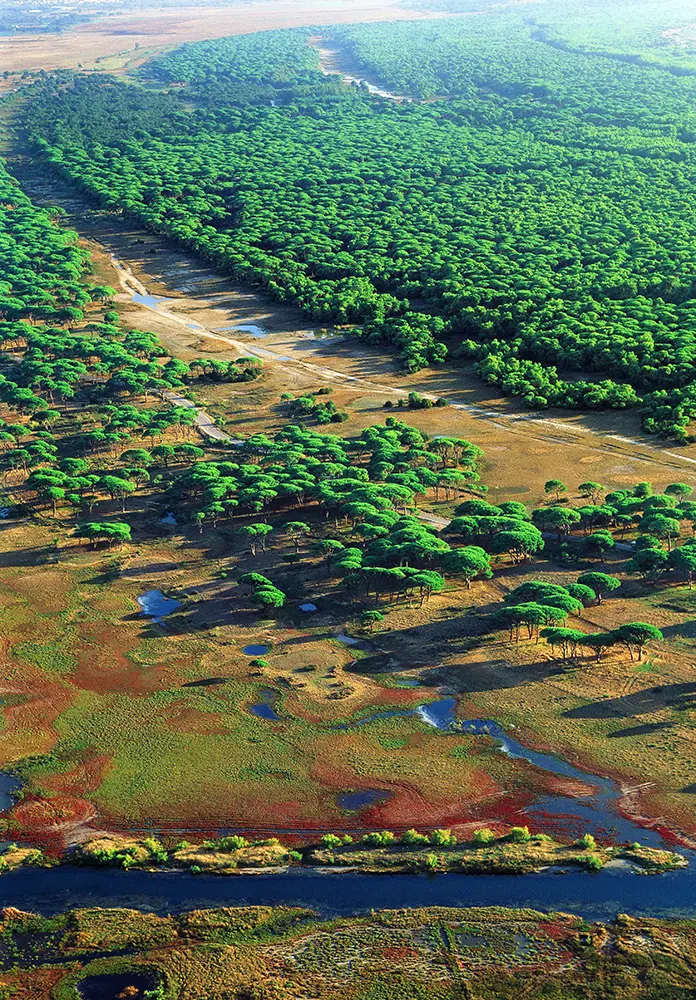
Greece has designated 10 Wetlands of International Importance under the Ramsar Convention. These wetlands meet strict criteria and are particularly important for the protection of birdlife.
- Total area: 1,635,100 stremmas (approximately 0.85% of the country’s land area)
Greece’s Ramsar Wetlands are:
World Heritage Sites
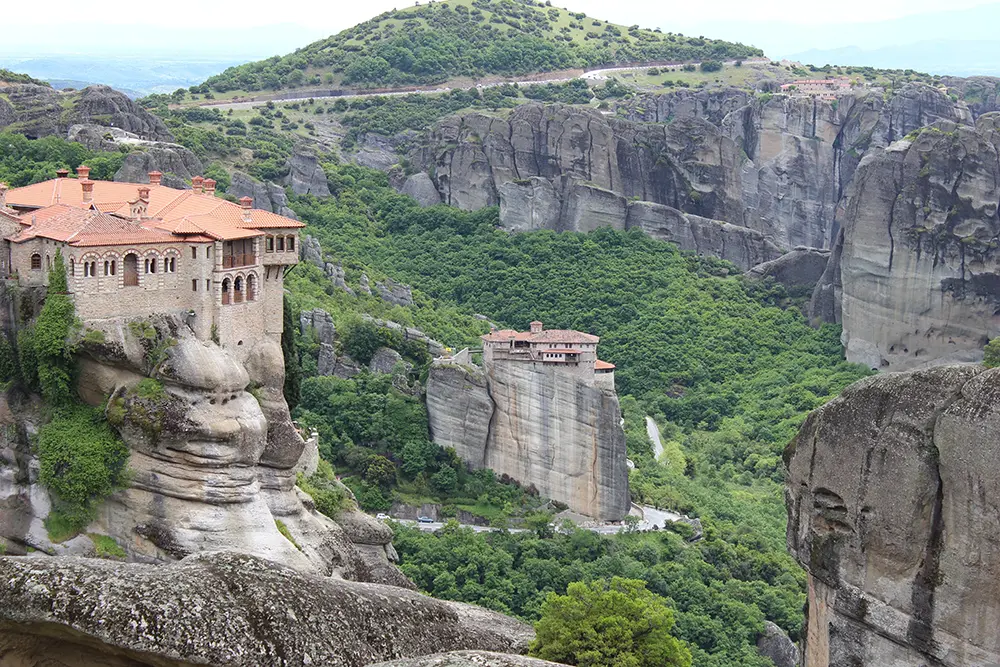
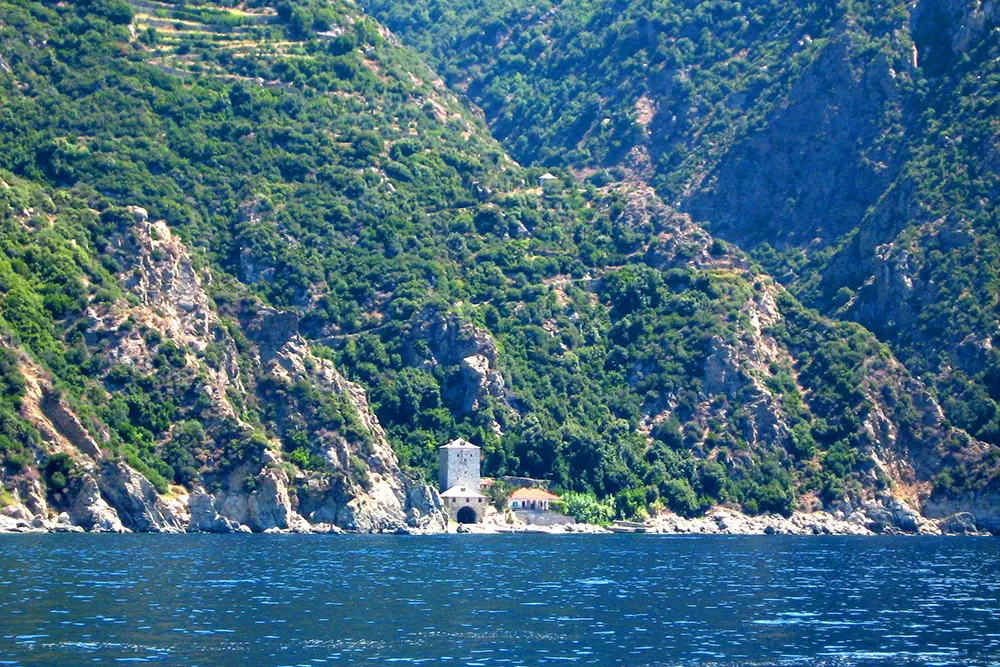
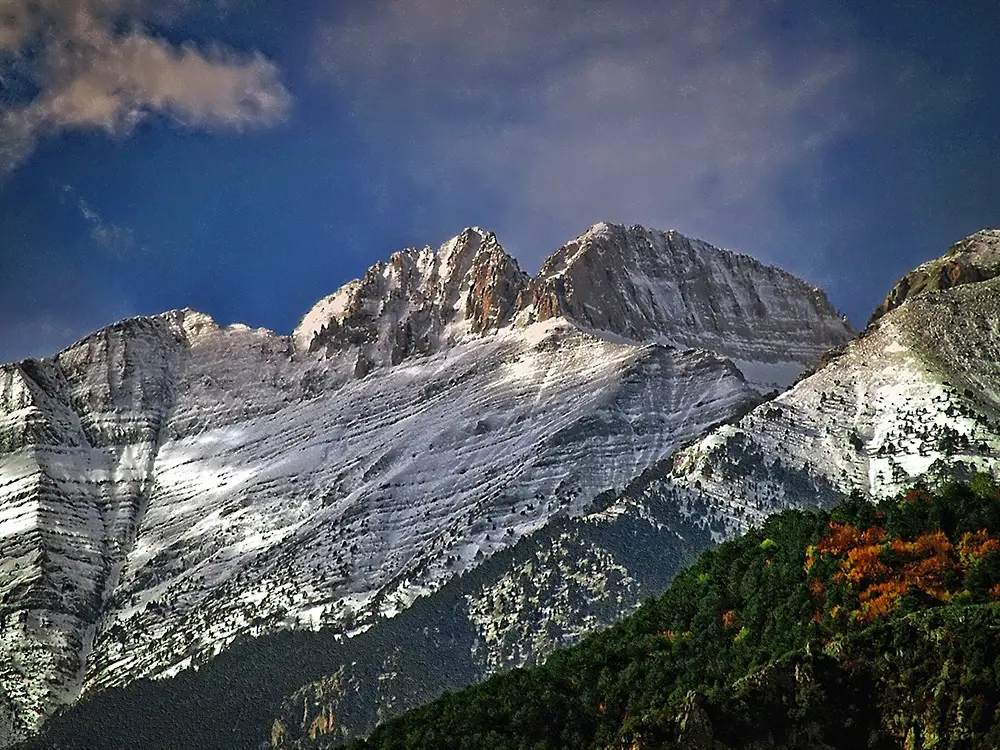
The Antichasia Mountains – Meteora, Mount Athos and the wider area of Mount Olympus, have been designated as World Heritage Sites for the exceptional value of their natural environment, in accordance with the UNESCO World Heritage Convention.
To be included in the World Heritage List, a site must meet at least one of the 10 selection criteria and possess outstanding universal value.
Biosphere Reserves
UNESCO’s “Man and the Biosphere” (MAB) program, launched in 1970, aims to improve the relationship between humans and their environment. The concept of Biosphere Reserves was developed in 1974 and revised in 1995.
Greece has included four (4) areas on the list of Biosphere Reserves:
European diploma
The European diploma is a a special award given by the Council of Europe since 1965 to protected areas in Europe that are recognized as natural heritage sites of European interest and are well managed. In the event of degradation of the natural environment, the European award may be revoked.
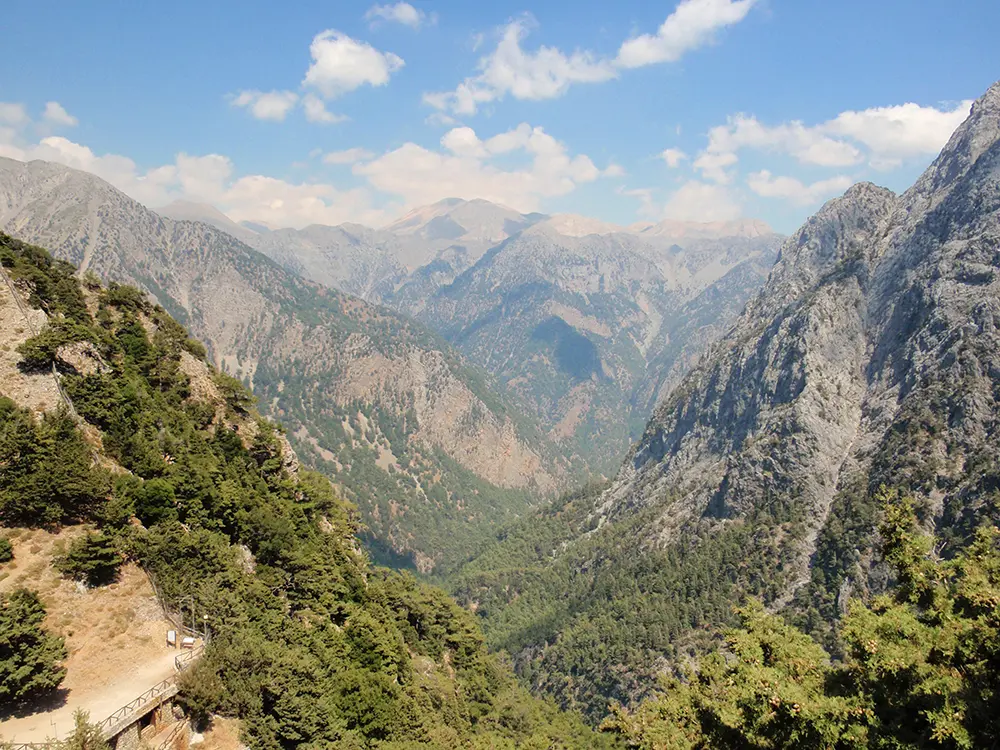
The site in Greece to which the Euro-Diploma has been awarded by the Council of Europe is the National Park of Samaria.
Geoparks
A UNESCO Global Geopark uses the geological, natural, and cultural heritage of a region to highlight contemporary challenges, such as the sustainable management of natural resources, the mitigation of climate change impacts, and the reduction of risks from natural disasters. The designation of a Global Geopark is not permanent but is reviewed every 4 years.
In Greece, the network comprises 10 geoparks:
- Chelmos Vouraikos UNESCO Global Geopark
- Grevena – Kozani UNESCO Global Geopark
- Kefalonia-Ithaca UNESCO Global Geopark
- Lavreotiki UNESCO Global Geopark
- Lesvos Island UNESCO Global Geopark
- Meteora Pyli UNESCO Global Geopark
- Nisyros UNESCO Global Geopark
- Psiloritis UNESCO Global Geopark
- Sitia UNESCO Global Geopark
- Vikos – Aoos UNESCO Global Geopark