
Nationally Designated Areas (NatDA)
The national system of protected areas (Law 4685/2020) comprises four main categories:
- Biodiversity Protection Areas (Natura 2000 network)
- National Parks
- Wildlife Refuges
- Protected Landscapes/Natural Formations.
These areas protect important habitats, flora and fauna species, as well as features of particular ecological or geomorphological value. Their demarcation and management are carried out through Presidential Decrees, based on specific environmental studies and management plans.
Protected areas are organized into zones with varying degrees of protection (strict protection, nature protection, habitat conservation, and sustainable management), where permitted uses and activities are defined. The goal is to conserve biodiversity and ecosystems, in conjunction with sustainable development and balanced human activity.
Greece submits data on protected areas to the European Environment Agency.
According to data from the latest submission (CDDA 2020 edition), 803 nationally designated areas have been recorded in Greece, covering a total area[1] of 26,160.42 square kilometers.
[1] This refers to the total area, both land and sea, excluding overlaps.
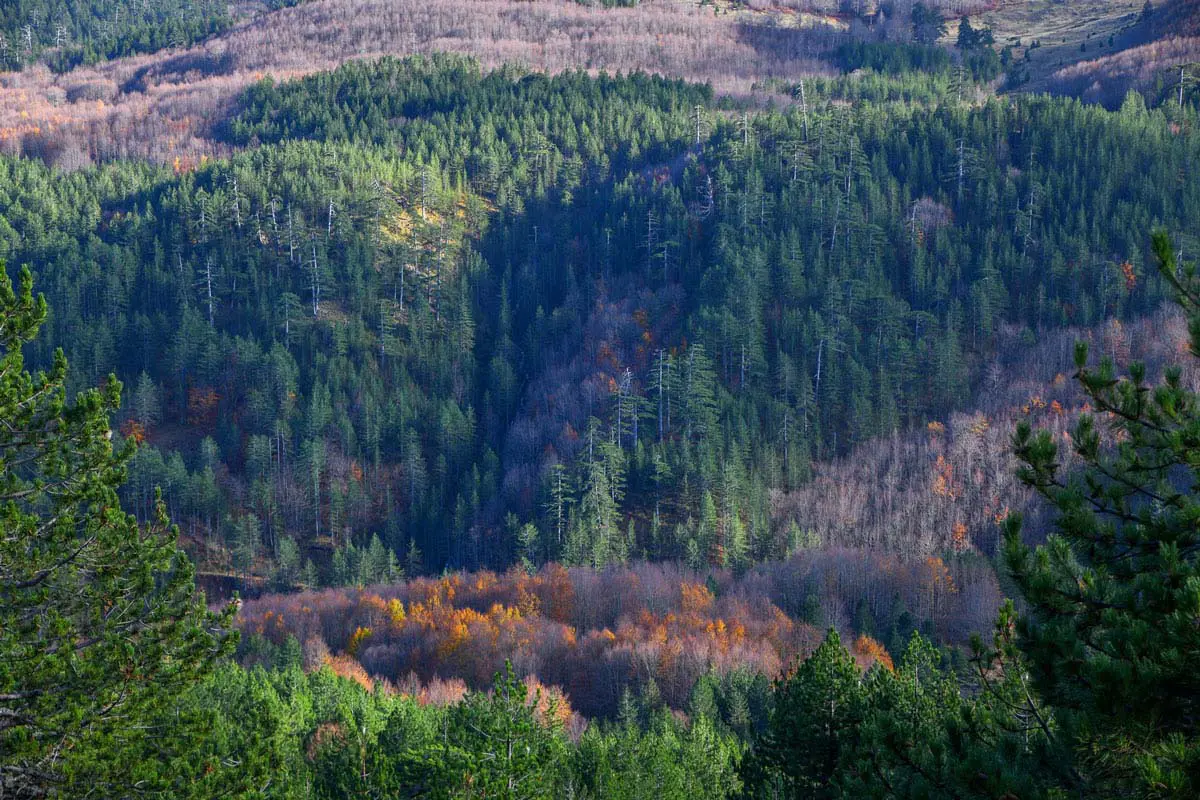
Small Island Wetlands (Government Gazette AAP 229/June 19, 2012)
Small Island Wetlands constitute a unique network of wetland areas of high ecological importance, located on small islands in Greece.
As part of their inventory and protection, a total of 380 Small Island Wetlands have been designated (PD on Small Island Wetlands – Government Gazette AAP 229/19.06.2012), covering a total area of 8.46 km². Despite their small size, they play a significant role in biodiversity conservation, serving as refuges for flora and fauna and as critical ecosystems for island environments.
Attica Wetlands (Law 4559/2018, Article 54)
The Attica Wetlands, in accordance with Law 4559/2018 (Government Gazette A 142/08/03/2018): Article 54 – Protection of Attica’s Wetlands, constitute an important network of protected ecosystems in the Attica region.
These specific areas are designated as Priority A wetlands and are protected until their final boundaries are established, with a ban on activities that may degrade their ecological condition. The institutional framework aims to preserve these sensitive ecosystems in the face of pressures from urban and human-induced development.
A total of 15 wetlands have been recorded, covering a total area of 9.21 km², which play a crucial role in preserving local biodiversity and ecological balances.
Regarding their distribution:
- 88.03% of the area consists of coastal wetlands
- 11.97% consists of inland wetlands
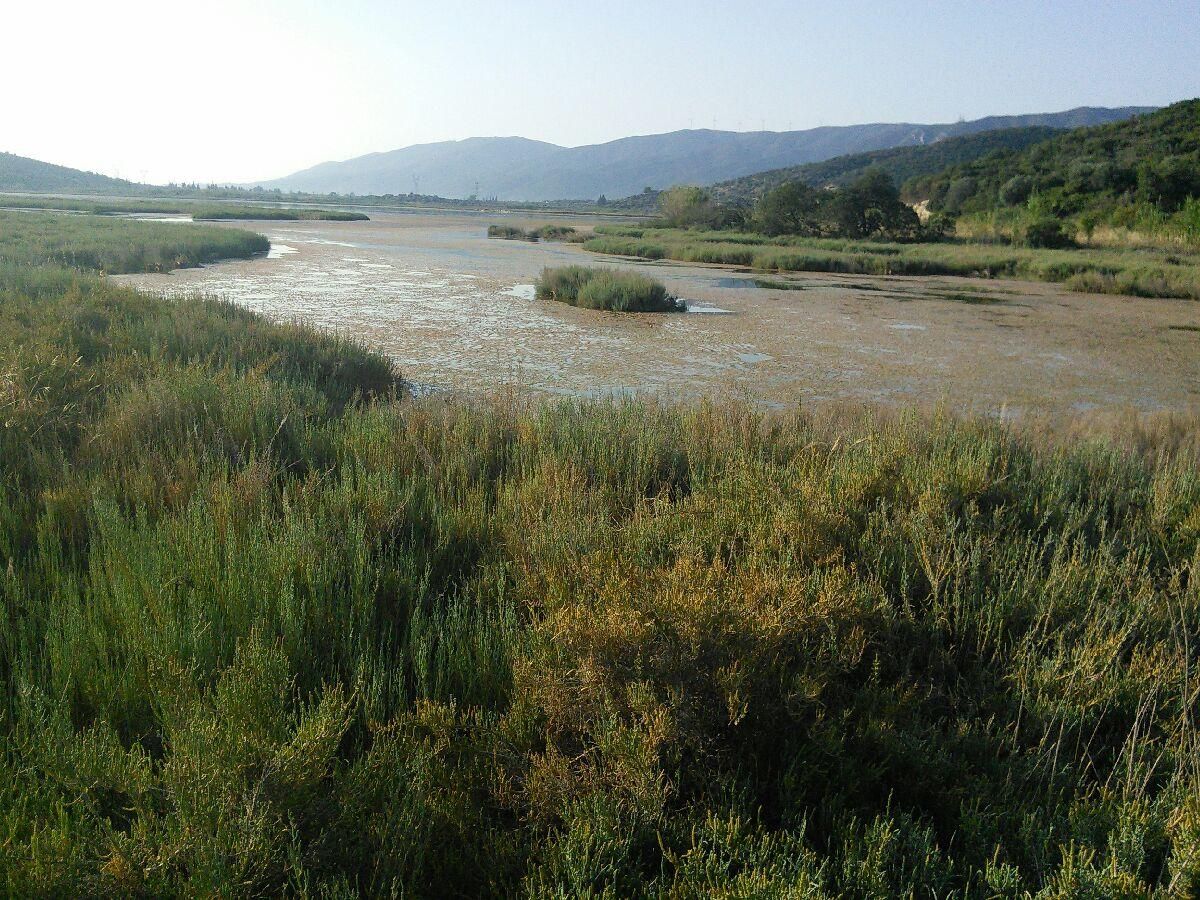
Undisturbed Natural Areas (Untouched Mountains)
Greece is the first country in Europe to establish the “Untouched Mountains,” which are undisturbed natural areas subject to high levels of protection. These are Roadless Areas (RA), which also include a 1 kilometer buffer zone. The aim of this initiative is to preserve the natural landscape free from human intervention, with the goal of protecting ecosystems and biodiversity.
In these areas, the construction of new roads is prohibited, as is any technical or human intervention that alters the natural environment. These areas are subject to strict protection.
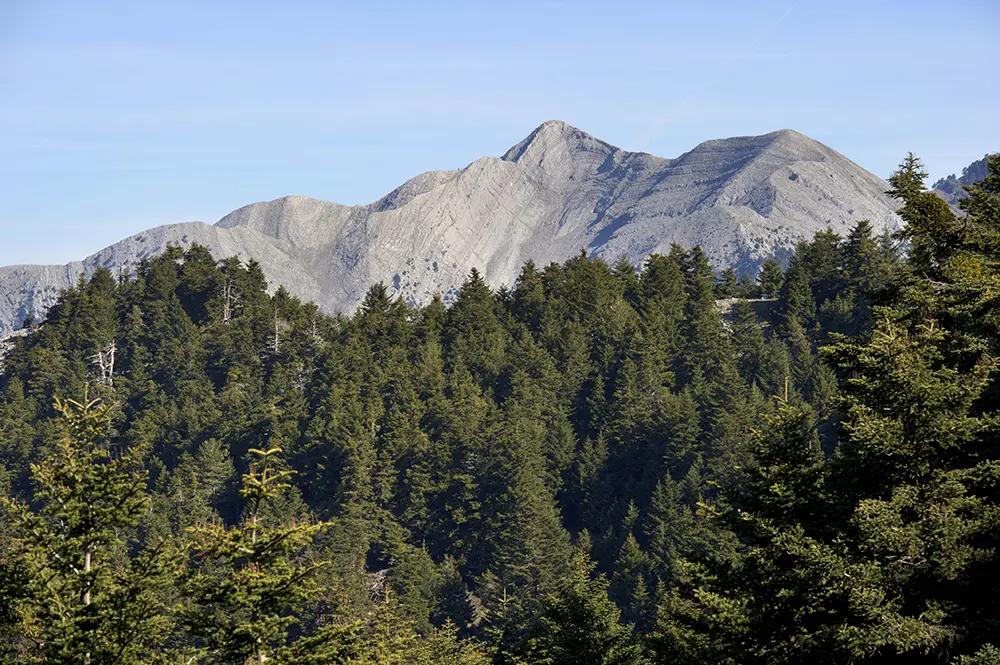
Currently, 10 Untouched Mountains have been designated in Greece, covering a total area of 1,182.59 square kilometers.
| Α/Α | ΟΝΟΜΑΣΙΑ | ΦΕΚ |
|---|---|---|
| 1 | Agrafa (within N2000) | FEK 524/Δ/23/8/2022 |
| 2 | Agrafa (outside N2000) | FEK 524/Δ/23/8/2022 |
| 3 | Dikti | FEK 303/Δ/25.04.2023 |
| 4 | Chatzis | FEK 1005/Δ/31-12/2021 |
| 5 | Lefka Ori | FEK 1007/Δ/31-12/2021, FEK 1037/Δ/27-12/2023 (extension) |
| 6 | Mainalo | FEK 44/Δ/27.01.2023 |
| 7 | Saos | FEK 1008/Δ/31-12/2021 |
| 8 | Smolikas | FEK 1009/Δ/31-12/2021 |
| 9 | Taygetos | FEK 6576/Β/31-12/2021 |
| 10 | Tymfi | FEK 1006/Δ/31-12/2021 |
SOURCE: Kati V, Selva N, Sjögren-Gulve P. Greek roadless policy: A model for Europe. Science. 2022 Mar 4;375(6584):984. doi: 10.1126/science.abo2014. Epub 2022 Mar 3. PMID: 35239397.
Untouched Beaches
Untouched Beaches are high-protection areas within the Natura 2000 network, where strict conditions and restrictions are imposed to preserve their natural state. The goal is to effectively protect beaches of particular aesthetic, geomorphological, or ecological value, as well as to preserve the habitats and species of flora and fauna found there.
Currently, 251 Untouched Beaches have been designated throughout Greece.
In these areas, the granting of simple use rights for the foreshore and beach is prohibited, as is any activity that may affect their morphology and ecological integrity. For example, the placement of movable items (tables and chairs, umbrellas, lounge chairs), the use of motor vehicles, the organization of events with more than 10 participants, or the use of music for commercial purposes.
Περισσότερα:
- Ministry of Environment and Energy
- Joint Ministerial Decision YPEN/GDPP/35330/646 “Terms and restrictions for coastal zones and high-protection beaches (inaccessible beaches).”
- Amendment to Joint Ministerial Decision No. YPEN/GDPP/35330/646/02.04.2024 of the Ministers of National Economy and Finance and Environment and Energy “Terms and restrictions for coastal zones and high-protection beaches (inaccessible beaches)” (B’ 2364).
