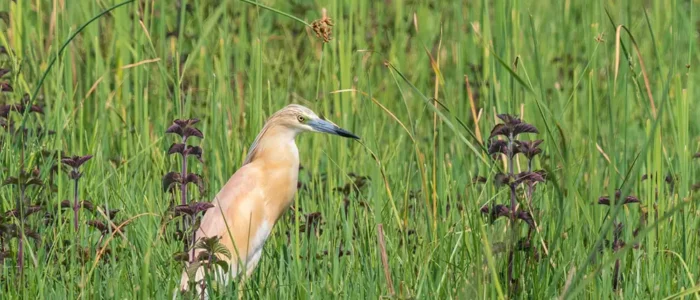
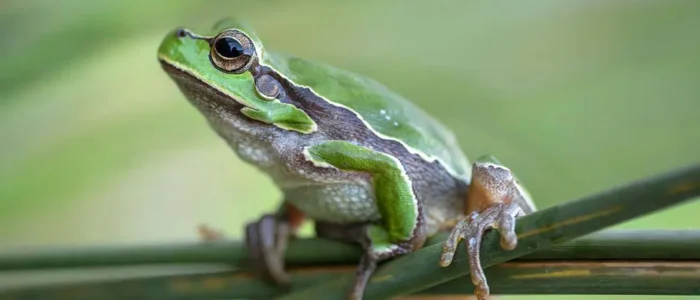
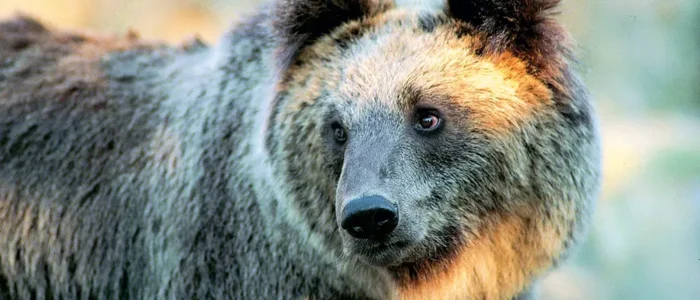
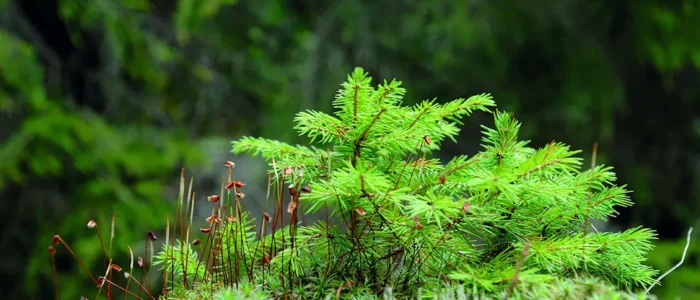
Greece is characterized by exceptionally rich flora and fauna, a very large number of macrofungi, and a high level of endemism among both plants and animals.
According to the National Biodiversity Strategy (2014), Greece’s flora consists of 6,600 taxa, with a high degree of endemism (22.1% of the total number of taxa). As for its fauna, approximately 23,130 species of terrestrial and freshwater animals have been recorded, along with an additional 3,500 marine species. Finally, the recorded number of fungi amounts to around 3,000.
Greece hosts, with confirmed permanent presence, 297 species of plants and animals (excluding birds) of European interest, representing about 21% of the species protected at the European level under the Habitats Directive (Directive 92/43/EEC).
During the period 2013–2018, 35% of species of European interest with permanent presence were in Favorable Conservation Status, while 54.9% were in Unfavorable Conservation Status. The Conservation Status remained Unknown for 10.1% of the species of European interest found in Greece.
Regarding trends in bird species covered by the European Birds Directive (Directive 2009/147/EC) in Greece, during the reporting period 2013–2018, a significant proportion of key wintering bird species showed an Increasing trend in the short term (37.04%) and long term (24.07%). Fewer species showed Stable trends (12.96% and 2% respectively) or Decreasing trends in the short and long term (7.41% and 5.56% respectively). For the majority of species, trends remained Unknown (40.74% for short-term and 68.52% for long-term), while 2% of species showed a Fluctuating short-term trend.
The conservation of species, as well as the conservation and restoration of their habitats[1], are national priorities (National Biodiversity Strategy, National Restoration Plan).
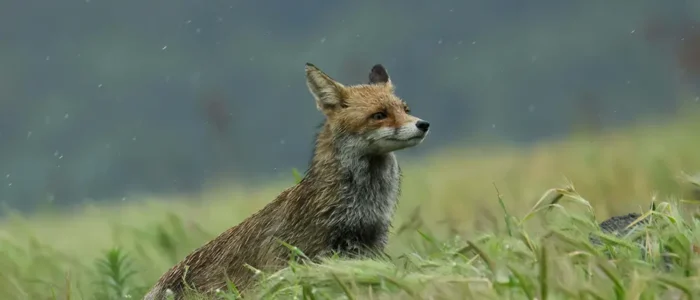 Vulpes vulpes | Photo archive NMNHG-EKBY / M. Girtziotis